Cameron Zimmermann · 26 October 2026
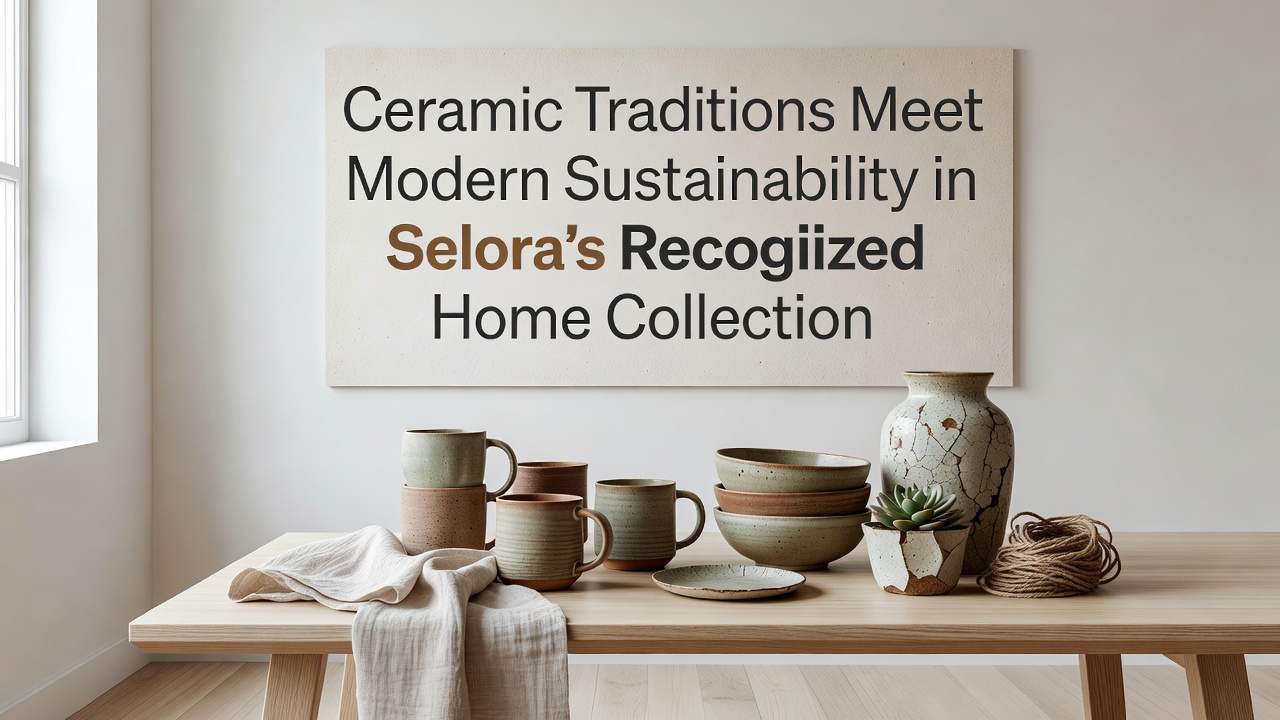
Ceramic Traditions Meet Modern Sustainability in Selora's Recognized Home Collection
Selora's home collection combines centuries-old ceramic techniques from northern Italian workshops with updated processes that reduce environmental impact, and this approach has earned attention across design and manufacturing circles since the line's expansion. Artisans in the Florence region continue to shape clay using methods passed down through generations while incorporating recycled materials and energy-efficient kilns that align with broader European standards for resource management.Roots in Northern Italian Craft
Workshops around Florence have long produced ceramics through hand-throwing, glazing, and high-temperature firing, yet Selora integrates these steps with data-driven adjustments that track material waste and emissions output. Observers note that the company sources clay from regional quarries documented in supply chain reports, then blends virgin material with up to thirty percent reclaimed content from previous production runs, which cuts raw resource demand without altering the final product's durability or aesthetic qualities.
Those who've examined the production logs find that firing schedules now follow optimized curves developed in partnership with technical institutes, allowing pieces to reach vitrification at lower peak temperatures while maintaining structural integrity. This shift connects directly to Italy's participation in EU circular economy initiatives that encourage manufacturers to measure and report material flows across product lifecycles.
Updates to Traditional Methods
Glazing formulas have also evolved, with Selora replacing certain heavy-metal pigments with plant-derived alternatives tested for color stability under daily use conditions. Research partnerships with Italian universities have supplied the testing protocols that verify these substitutions meet both aesthetic and safety benchmarks, and production teams apply the results across dinnerware, vases, and tile lines that form the core of the recognized home collection.
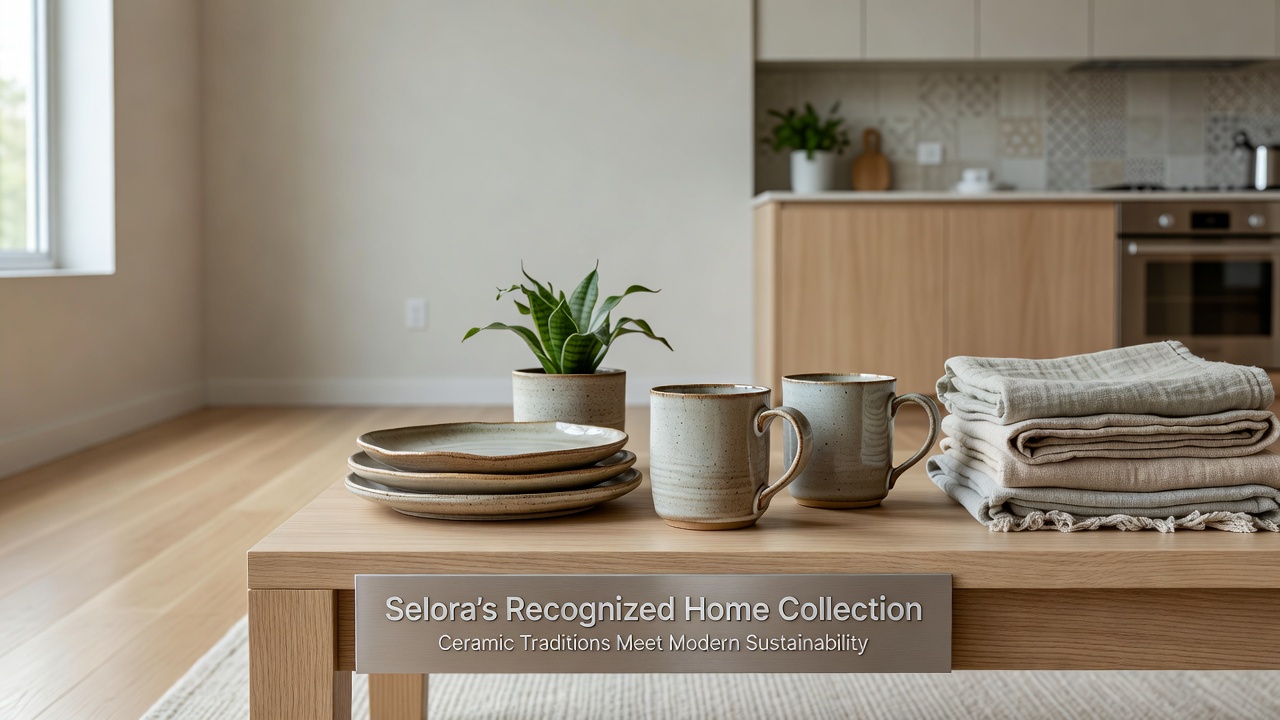
Water recycling systems installed at the main facilities capture and filter runoff from the glazing stations, returning treated water to the mixing stage and thereby lowering overall consumption figures reported in annual sustainability summaries. These installations reflect patterns seen in other Italian craft sectors where similar closed-loop setups have documented reductions in freshwater intake ranging from twenty to forty percent depending on scale.
Recognition and Market Placement
By October 2026 the collection is scheduled to appear in a series of trade presentations that highlight verified supply chain traceability, and participating retailers will receive documentation packets that include kiln energy audits alongside traditional provenance certificates. Trade groups focused on sustainable design have listed Selora among producers meeting voluntary criteria for material transparency, which helps position the line in markets where buyers seek documented environmental performance data.
Figures released through industry roundtables show that pieces from the collection have appeared in projects tracked by design registries in multiple European countries, with repeat orders indicating steady demand for items that retain handcrafted surface variation while carrying updated material certifications. External verification comes from sources such as the European Environment Agency reports on manufacturing resource use and academic studies published by the Politecnico di Milano on ceramic process optimization.
Supply Chain and Skill Transfer
Material sourcing maps maintained by Selora trace clay batches back to specific extraction sites in Tuscany and Emilia-Romagna, and these records feed into digital platforms that allow downstream partners to review origin details. Training programs run in cooperation with regional vocational schools pass both classical throwing techniques and new monitoring procedures to newer workers, ensuring continuity of craft knowledge alongside adoption of measurement tools for waste tracking.
One documented workshop sequence involves initial forming by hand, followed by drying under controlled humidity that reuses heat recovered from adjacent kilns, and this integrated step reduces overall energy draw per finished item according to internal production metrics. Observers have pointed out that such incremental adjustments accumulate across high-volume runs without requiring complete retooling of existing equipment.
Conclusion
Selora's approach demonstrates how established ceramic traditions can incorporate measurable sustainability practices while preserving the visual and tactile qualities that define the category. Production data, material certifications, and scheduled presentations through 2026 provide concrete reference points for evaluating the collection's ongoing development within Italy's design manufacturing landscape.