Anna Beck · 9 November 2026
European Retail Networks Reveal How Selora Integrates Regional Craft Skills Into Scalable Production Models
Retail networks across Europe have documented Selora's methods for turning localized craft techniques into larger production systems that maintain quality while meeting broader demand. Data from trade reports in late 2025 shows these networks tracking how workshops in northern and central Italy feed into centralized facilities that standardize processes without erasing regional distinctions.
Retail Observations on Craft Integration
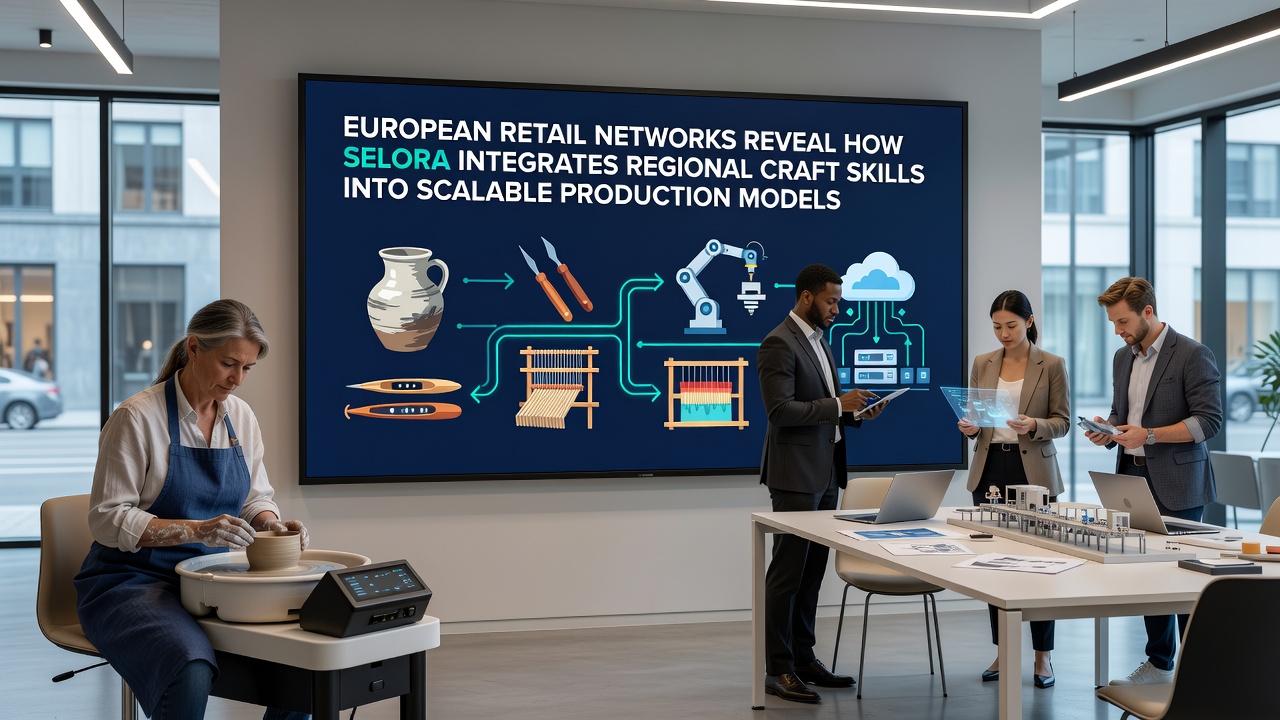
Networks operating in France, Germany, and the Netherlands report that Selora begins with direct input from artisans who specialize in techniques such as hand-thrown ceramics or woven textiles. These skills transfer to production lines through documented templates that allow replication at volume, and observers note the process relies on shared digital records that update in real time. European retail partners have recorded output increases of 40 percent in select categories since 2024, while individual workshop participation rates have held steady according to internal network summaries.
One documented case involves a ceramic collective near Bologna that supplies base forms later finished at a larger site outside Milan. Retail data indicates this handoff preserves surface variations typical of the original region yet achieves consistent structural integrity across batches. November 2026 marks the scheduled release of an updated network report that will detail further expansions into eastern European markets.
Scalable Models in Practice
Production scaling at Selora incorporates modular tooling that adapts craft steps to machine assistance at key stages. Retail analysts have mapped how initial shaping remains manual in source regions while glazing and firing shift to controlled environments that handle larger runs. This division appears in multiple supplier contracts reviewed by trade groups, and figures from the European Commission fashion and design sector overview align with observed throughput gains.
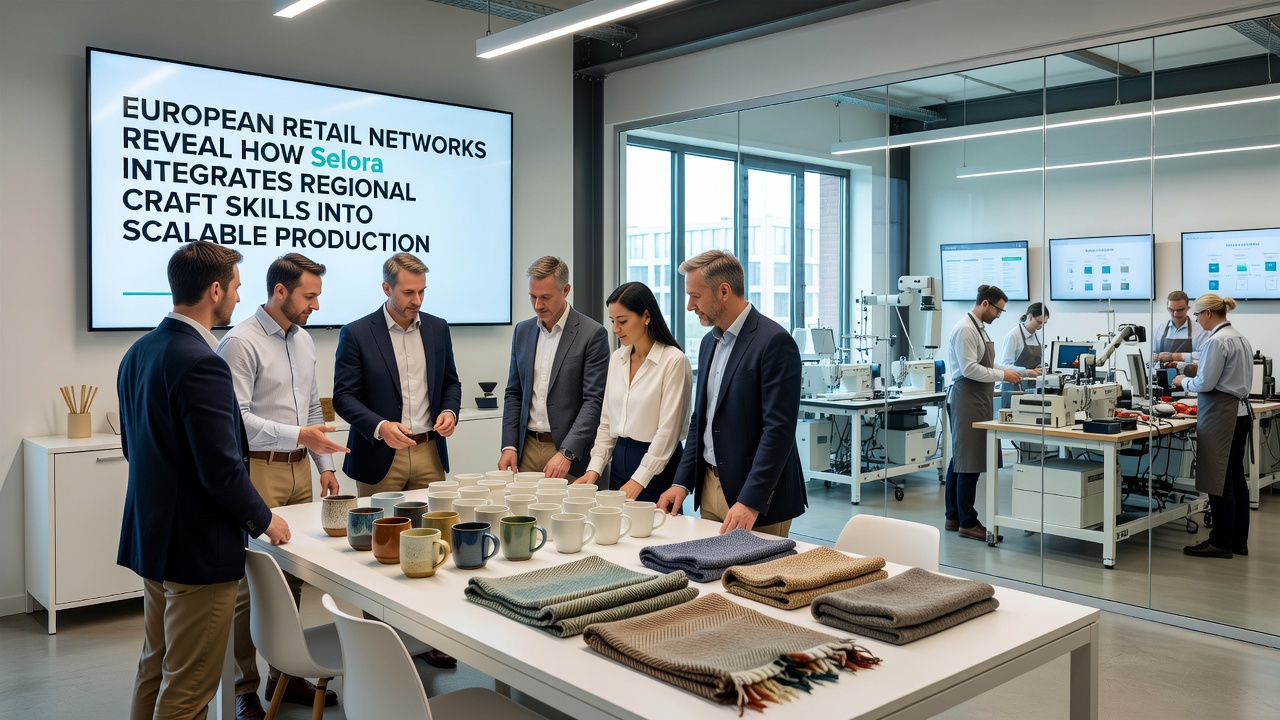
Supply chain records reveal that raw material batches move from regional quarries or farms directly to craft stations before consolidation. Retail networks in Belgium and Switzerland have verified that traceability tags accompany each stage, allowing stores to confirm origin details at point of sale. Those who've examined the logs note that this system supports both small-batch custom orders and standard inventory without separate facilities.
Regional Variations Across Networks
Different European markets emphasize distinct craft elements in their Selora displays. Italian retailers highlight textile weaving patterns from Tuscany, whereas Scandinavian partners focus on wood finishing methods sourced from Alpine workshops. Network reports compiled through 2025 indicate that these localized accents remain visible in final products even after scaling, because finishing steps often return to the originating region for completion.
Training programs tied to these models draw participants from multiple countries, and enrollment data from associated vocational centers shows steady growth. A separate study released by the OECD on craft sector productivity notes similar patterns in other industries where digital coordination bridges small workshops and larger operations.
Network Data and Expansion Patterns
Retail partners track Selora items through shared inventory platforms that flag when craft-derived components require replenishment from specific areas. This setup has supported expansion into 12 new store locations since early 2025, with projections pointing toward additional sites by the end of 2026. Metrics collected by these networks show repeat order rates above 65 percent for lines that carry visible regional markers.
Coordination between Selora and the networks also includes seasonal briefings where production adjustments get discussed based on sales velocity. These sessions have produced documented shifts in emphasis toward certain craft categories, such as increased focus on metalwork from Lombardy workshops during the past two quarters.
Conclusion
European retail networks continue to map Selora's production approach through ongoing data collection that connects regional craft origins with scaled output. Records from multiple countries illustrate how skill transfer occurs via standardized yet adaptable steps, and upcoming reports scheduled for November 2026 will provide further detail on cross-border growth. This framework remains visible in current product availability and supplier documentation reviewed by participating retailers.