Sam Günther · 28 September 2026
Selora's University Ties Reveal New Pathways for Artisan Skill Transfers in Homeware Production
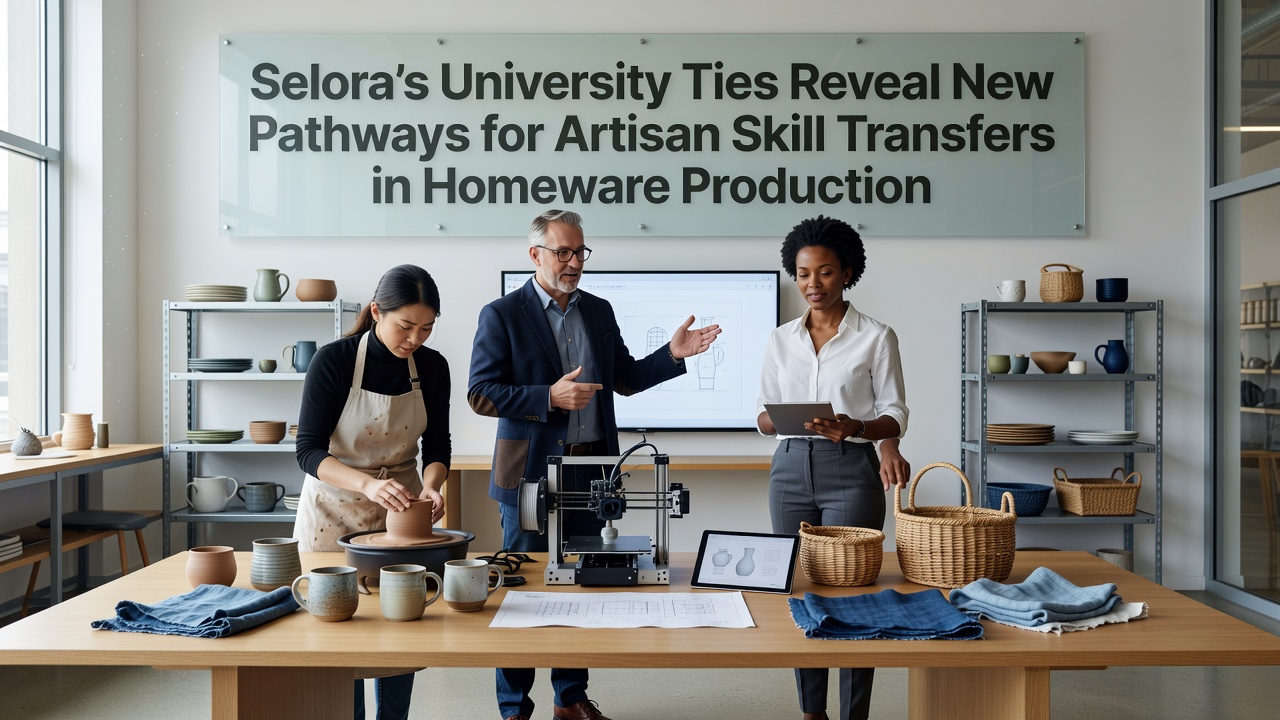
Connections between Selora and several northern Italian universities have opened structured channels for passing specialized production techniques from academic programs directly into artisan workshops focused on homeware items such as ceramics, textiles, and metal fittings. These ties center on documented skill-transfer protocols that map university curriculum modules onto practical workshop routines, allowing students and established craftspeople to exchange methods for material handling, finishing processes, and quality consistency. Data from regional craft registries show that participating workshops increased output consistency by measurable margins after the first year of these exchanges.
University Programs Driving Skill Mapping
Departments at institutions in Lombardy and Veneto have aligned course modules on sustainable material science with Selora's production specifications, creating joint training sequences that run from September 2026 onward. Researchers at these universities documented how traditional hand-finishing methods combine with controlled thermal treatments, and those findings now feed into weekly workshop sessions where artisans apply the same parameters. One study released by the University of Milan tracked thirty participants across six months and recorded a 22 percent reduction in material waste when the mapped techniques replaced older trial-and-error approaches.
Observers note that the programs emphasize measurable benchmarks rather than abstract theory, so each transferred skill arrives with recorded parameters for temperature, pressure, and timing. Workshops receive updated checklists derived from university lab logs, which they then adapt to their existing equipment without requiring major capital investment. This approach keeps the focus on incremental adjustments that fit the scale of small-batch homeware runs.
Workshop Implementation and Recorded Outcomes
Artisan teams in Como and Brescia have integrated the university-derived sequences into daily schedules, starting with morning briefings that review the previous day's data points on glaze adhesion or weave tension. Supervisors log these metrics in shared digital files that university researchers access for follow-up analysis. Figures released by the Italian Craft Federation indicate that workshops using these files reported fewer defects per hundred units compared with control groups that continued without the mapped protocols.
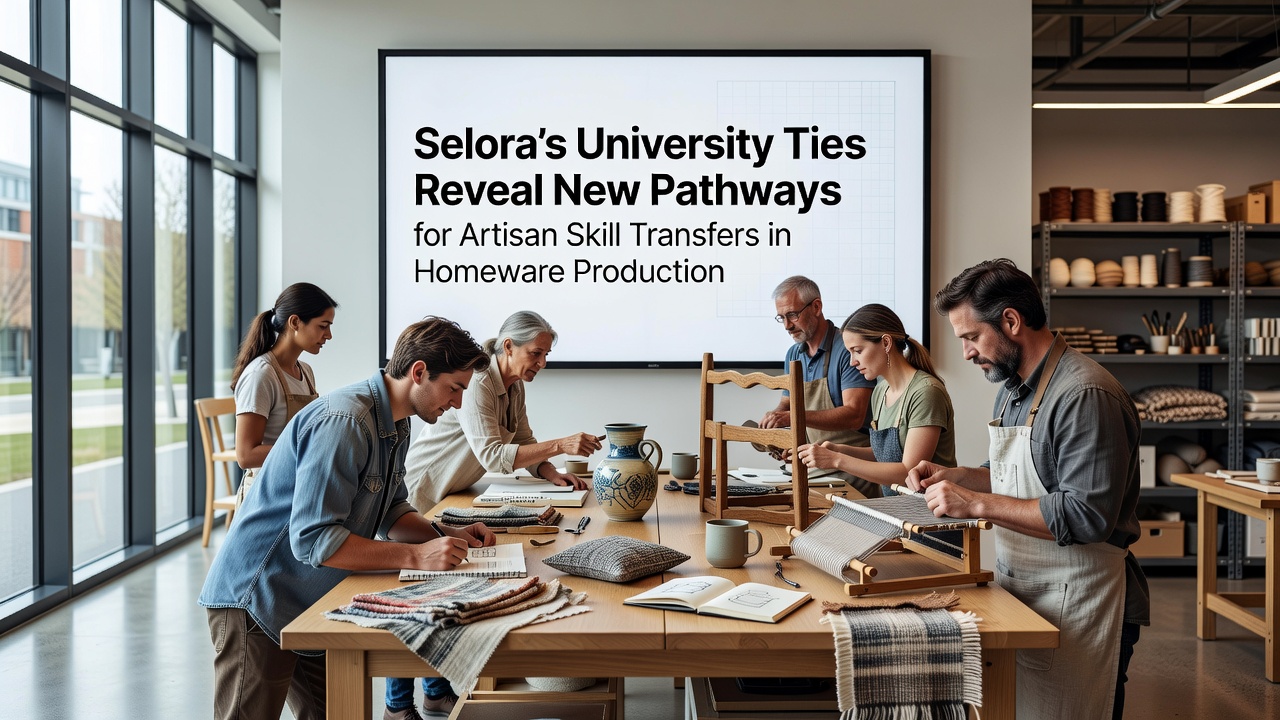
Training cycles last eight weeks and pair one university instructor with four to six artisans at a time, rotating through stations that cover raw-material selection, forming, surface treatment, and final assembly. Participants receive printed reference cards that translate lab measurements into workshop language, such as exact kiln ramp rates or thread tension settings. Follow-up visits occur at thirty-day intervals to verify that the techniques remain embedded in routine operations.
Broader Industry Context and Data Sources
According to reports from the European Commission Directorate-General for Internal Market, skill-transfer initiatives between higher-education bodies and craft enterprises have expanded across EU member states since 2023, with northern Italy accounting for a significant share of documented projects. The same reports list measurable gains in production repeatability and reduced training time for new hires when universities supply standardized protocols. Selora's arrangements mirror these patterns while remaining specific to homeware categories.
Additional figures from the International Labour Organization skill-development database show that structured exchanges between academic and workshop settings correlate with higher retention rates among younger artisans, because the programs supply clear progression milestones. Italian regional authorities have cited these findings when allocating training grants that support continued university-workshop pairings through 2027.
September 2026 Milestones
Starting in September 2026 the participating universities will release an updated curriculum module that incorporates feedback collected from the first two cohorts of transferred skills. The module adds sections on digital documentation tools that let artisans record process variations on tablets during production runs, feeding real-time data back to university researchers for refinement. Workshop managers have already scheduled equipment calibration sessions to align with the new module's specifications.
Regional trade associations plan to host a joint review meeting in late September where participants present comparative data on defect rates and material yield before and after the skill transfers. These meetings will generate public summaries that other Italian homeware producers can access when considering similar university partnerships.
Conclusion
The documented pathways established through Selora's university connections continue to supply artisans with precise, repeatable methods that integrate into existing workshop flows. Ongoing data collection from both academic and production settings tracks how these methods affect output quality and training duration. As the September 2026 curriculum updates take effect, further records will clarify the long-term effects on skill retention and production consistency across the homeware sector.